
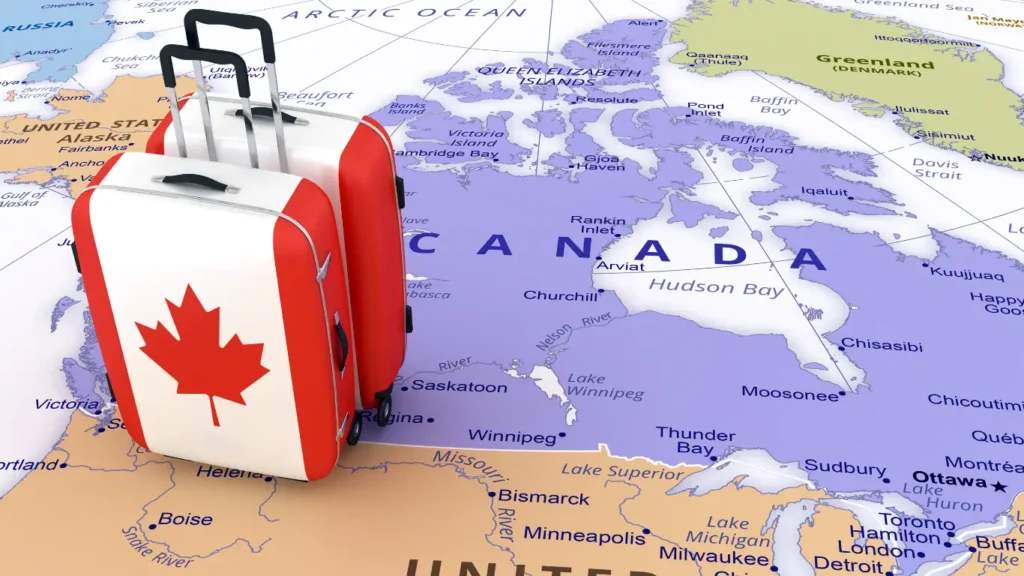
How to Move to Canada: A Step-by-Step Guide for 2025Moving to Canada is an exciting opportunity, whether you’re looking for better job prospects, a high quality of life, or a fresh start. This guide will walk you through the entire process, from choosing the right immigration program to settling in Canada successfully.
Ways to Move to Canada in 2025: Immigration Programs Explained
Canada offers multiple pathways for immigration, each tailored to different candidates. The most popular programs include:
1. Express Entry (For Skilled Workers) -How to Move to Canada
Express Entry is a points-based immigration system that evaluates candidates based on factors like age, education, work experience, and language proficiency.
Eligibility Criteria:
- At least one year of skilled work experience
- Language proficiency in English or French (IELTS or TEF scores required)
- Post-secondary education (higher points for advanced degrees)
- Adequate settlement funds
Application Process:
- Create an online profile in the Express Entry system.
- Receive a Comprehensive Ranking System (CRS) score.
- If selected, receive an Invitation to Apply (ITA).
- Submit supporting documents and complete medical and security checks.
- Obtain your permanent residence visa.
2. Provincial Nominee Program (PNP) – How to Move to Canada
Each province in Canada has its own immigration program, allowing them to nominate candidates who meet local labor market needs.
Popular Provincial Programs:
- Ontario Immigrant Nominee Program (OINP)
- British Columbia Provincial Nominee Program (BC PNP)
- Alberta Advantage Immigration Program (AAIP)
- Saskatchewan Immigrant Nominee Program (SINP)
3. Family Sponsorship
If you have a spouse, parent, or dependent child who is a Canadian citizen or permanent resident, they may be able to sponsor you.
4. Study Permit (Pathway to PR)
Studying in Canada can lead to permanent residency through the Post-Graduate Work Permit (PGWP) and Canadian Experience Class (CEC).
5. Work Permits and Job Offers
A work permit allows temporary residence in Canada. If you secure a job with an employer who provides sponsorship, you may qualify for permanent residency later.
How to Move to Canada: Requirements for Moving to Canada: What You Need to Know
Before applying for immigration, you need to meet key requirements:
Language Proficiency
- Proof of English (IELTS) or French (TEF) language ability.
Educational Credential Assessment (ECA)
- If you studied outside Canada, you must get your qualifications assessed to ensure they meet Canadian standards.
Proof of Funds
- Applicants must show sufficient financial resources to support themselves and their family upon arrival.
Medical and Police Clearance
- A medical exam and a police certificate from your country of residence are required.

How to Apply for Canadian Immigration: A Step-by-Step Process – How to Move to Canada
Step 1: Determine Eligibility
Use the Government of Canada’s official tool to check if you qualify for an immigration program.
Step 2: Gather Required Documents
Documents vary by program but typically include:
- Passport
- Educational certificates
- Proof of work experience
- Proof of funds
- Language test results
- Police clearance certificate
Step 3: Submit Your Application
Most applications are submitted online through the Immigration, Refugees, and Citizenship Canada (IRCC) website.
Step 4: Wait for Approval
Processing times vary depending on the program. Express Entry applications typically take six months.
Step 5: Receive Confirmation of Permanent Residence (COPR)
Once approved, you will receive a COPR, allowing you to travel to Canada as a permanent resident.

Living in Canada After Moving: Jobs, Healthcare, and Housing
Finding a Job in Canada
- Use job search platforms like Indeed, LinkedIn, and Workopolis.
- Apply for a Social Insurance Number (SIN) to work legally.
- Take advantage of government-funded job assistance programs.
Healthcare in Canada
- Each province has its own healthcare system.
- New residents may have a waiting period before they are eligible for public healthcare.
- Private health insurance is recommended during the initial months.
Housing Options
- Renting: Start with short-term rentals or Airbnb before committing to a long-term lease.
- Buying a Home: Permanent residents can apply for a mortgage with as little as 5% down payment.
How to Move to Canada Without a Job Offer
Some immigration programs do not require a job offer, such as:
- Express Entry (if you score high enough on the CRS)
- Some Provincial Nominee Programs (PNP)
- Start-up Visa Program (for entrepreneurs)
How to Move to Canada as a Student
Studying in Canada can lead to permanent residency:
- Apply for a Study Permit at a designated learning institution (DLI).
- Graduate and apply for a Post-Graduate Work Permit (PGWP).
- Gain Canadian work experience and apply for permanent residency through the Canadian Experience Class (CEC).
Checklist for Moving to Canada
Check your eligibility for immigration programs.
Get an Educational Credential Assessment (ECA).
Take a language proficiency test (IELTS/TEF).
Gather financial proof and other required documents.
Submit your application and wait for approval.
Find temporary housing before arrival.
Learn about healthcare and employment resources in your province.
Open a Canadian bank account.
Common Mistakes When Moving to Canada
Applying for the wrong immigration program.
Not meeting language requirements.
Submitting incomplete or incorrect documents.
Underestimating the cost of living in Canada.
Not researching job opportunities before moving.
Canada is one of the most attractive destinations for relocation due to its high standard of living, strong economy, and welcoming immigration policies. The country consistently ranks among the best places to live, offering a stable political system, excellent healthcare, and a high quality of education. Many people move to Canada for better career opportunities, family reunification, or simply to experience life in a diverse and multicultural society.
The country is known for its vast landscapes, ranging from the Rocky Mountains in the west to the picturesque coastlines of the east. It has a diverse climate, with harsh winters in some regions and milder temperatures in coastal areas. The cost of living varies significantly between major cities and smaller towns, which makes it possible for individuals to choose a location that fits their budget and lifestyle.
Visa and Immigration Process
There are multiple pathways to moving to Canada, and the right option depends on an individual’s qualifications, work experience, and personal circumstances. The Express Entry system is the most popular immigration pathway for skilled workers. It is a points-based system that evaluates applicants based on age, education, work experience, and language proficiency in English or French. Those with the highest scores receive an Invitation to Apply for permanent residency.
For individuals who do not qualify under Express Entry, the Provincial Nominee Program provides an alternative option. Each province has specific immigration streams designed to meet local labor market needs. Family sponsorship is available for Canadian citizens or permanent residents who wish to bring their spouse, children, or parents to live with them.
Entrepreneurs and investors can apply for the Start-Up Visa Program, which requires the applicant to have a business idea supported by a designated Canadian organization. International students often move to Canada with a study permit and later transition to permanent residency through programs like the Post-Graduation Work Permit.
Cost of Living and Housing
The cost of living in Canada varies depending on the city or province. Major urban centers such as Toronto and Vancouver have a higher cost of living, particularly in terms of housing. Rent for a one-bedroom apartment in downtown Toronto can exceed CAD 2,500 per month, while smaller cities like Winnipeg or Halifax offer more affordable housing options.
Groceries, transportation, and healthcare also contribute to living expenses. Public transportation is widely available in large cities, with monthly transit passes ranging from CAD 80 to CAD 156. The average monthly grocery bill for a single person can range from CAD 300 to CAD 500. Healthcare is publicly funded in Canada, but newly arrived immigrants may need private health insurance until they qualify for provincial health coverage.
Employment and Business Opportunities
Finding a job in Canada depends on skills, qualifications, and demand in the labor market. The technology sector is experiencing rapid growth, with a high demand for software developers, cybersecurity specialists, and IT professionals. The healthcare industry consistently seeks nurses, physicians, and caregivers due to Canada’s aging population. Other strong sectors include finance, skilled trades, and engineering.
Salaries vary by industry and region. The average salary in Canada is around CAD 54,450 per year, but this figure is higher in major cities. To work legally, foreign nationals need a work permit unless they are permanent residents. Those interested in starting a business must register with the government, follow local regulations, and, in some cases, apply for specific business visas.
Healthcare and Education
Canada has a publicly funded healthcare system that provides access to essential medical services. Each province manages its own healthcare program, and new residents may need to wait a few months before becoming eligible. During this waiting period, private health insurance is recommended.
Education is free for children until high school, with public schools offering high-quality education. Universities in Canada rank among the best globally, attracting students from around the world. Tuition fees vary depending on the program and institution, but international students often pay higher rates than Canadian residents.
Taxes and Banking: How to Move to Canada
Canada has a progressive tax system, meaning that individuals pay a percentage of their income based on earnings. New residents must apply for a Social Insurance Number to work and pay taxes. The Goods and Services Tax (GST) and Provincial Sales Tax (PST) apply to most purchases, except for essential goods like groceries and prescription medications.
Opening a bank account in Canada is straightforward and requires identification documents such as a passport and proof of residence. Most banks offer checking and savings accounts, as well as credit cards to new residents. It is advisable to build a Canadian credit history by responsibly using a credit card and paying bills on time.
Cultural Adaptation and Legal Aspects
Adapting to Canadian culture involves understanding its values of diversity, respect, and inclusivity. The country has two official languages, English and French, with French being predominant in Quebec. Social etiquette includes politeness, punctuality, and respect for personal space.
Renting a home in Canada requires signing a lease agreement, paying a security deposit, and adhering to tenancy laws that protect both landlords and tenants. Registering at a local address is necessary for accessing public services such as healthcare and education.
Tips for a Smooth Relocation
Moving to Canada is an exciting but complex process, and careful planning can ease the transition. Learning about the province or city before arrival helps set realistic expectations regarding job opportunities and the cost of living. Joining expatriate communities or networking with local professionals can provide valuable insights and support.
Having sufficient financial resources is essential, as newcomers may need time to secure employment. Using government resources and newcomer settlement programs can assist with finding accommodation, employment, and legal services. The government of Canada provides useful online tools and information to help immigrants integrate successfully into Canadian society.
Relocating to Canada offers numerous benefits, from excellent career prospects to a high standard of living. Understanding the immigration process, cost of living, and cultural expectations ensures a smoother transition. With the right preparation and knowledge, moving to Canada can be a rewarding and life-changing experience.
Essential Resources for a Stress-Free Move to Canada: Everything You Need to Know
Moving to Canada is an exciting opportunity, but it comes with challenges. To make the transition smoother, here are key resources that can help new immigrants settle successfully.

1. The Best Cities to Start a New Life in Canada: Where Should You Move?
Canada offers diverse cities with different economic opportunities and living conditions. Some of the key factors to consider when choosing a city include:
- Job opportunities – Cities like Toronto, Vancouver, and Calgary offer strong employment markets, particularly in tech, healthcare, and finance.
- Cost of living – Rent, taxes, and daily expenses vary significantly between provinces, with smaller cities offering more affordable housing options.
- Family-friendliness – Some cities provide better schools, healthcare, and overall quality of life for families.
- Immigrant population statistics – Areas with established immigrant communities can offer better support networks and cultural familiarity.
2. Your Essential 30-Day Survival Guide After Moving to Canada
The first month in Canada requires handling several administrative tasks and settling into daily life. Key actions include:
- Obtain a Social Insurance Number (SIN) – Necessary for employment and accessing government services.
- Open a Canadian bank account – Many banks offer special benefits for newcomers, including low fees.
- Apply for health insurance – Each province has its own healthcare program, and new residents may have to wait before coverage begins.
- Secure temporary accommodation – Rental options vary between short-term stays, Airbnb, and government-subsidized newcomer housing.
- Register children for school – Public education is free, but early registration is advised to secure placement.
- Understand public transportation – Many cities have transit passes that offer cost-effective commuting options.
3. Free Government Benefits in Canada You Don’t Want to Miss!
Canada provides several assistance programs to help immigrants integrate smoothly. These include:
- Settlement services – Free support for job searches, housing, legal paperwork, and language training.
- Language training programs – The Language Instruction for Newcomers to Canada (LINC) program provides free English and French courses.
- Newcomer tax benefits – Certain tax deductions and credits are available for immigrants during their first few years in Canada.
- Family and child benefits – Monthly financial assistance programs are available for families with children.
4. Free Courses That Will Help You Succeed in Canada Faster
Several free educational resources can help immigrants adapt more easily:
- IELTS Preparation (British Council) – English language courses designed for work and immigration purposes.
- Introduction to Canadian Culture (University of Toronto) – Covers social norms, workplace expectations, and daily life in Canada.
- How to Write a Canadian Resume (Government of Canada) – Guidelines for formatting resumes according to Canadian hiring standards.
- Financial Literacy for Newcomers (CPA Canada) – Information on managing taxes, banking, and credit scores.
Your Roadmap to a Successful Life in Canada
Moving to Canada requires preparation beyond securing a visa. Choosing the right city, handling administrative tasks efficiently, and taking advantage of free government programs can significantly ease the transition. By accessing the right resources, newcomers can integrate successfully and build a stable life in Canada.
If you’re also considering relocating to the Middle East, check out our guide on How to Move to Dubai: A Comprehensive Guide to explore another exciting destination.
FAQ: How to Move to Canada?
1. How much money do you need to move to Canada?
The required amount varies by immigration program. For Express Entry, a single applicant needs at least CAD 13,757.
2. How long does the Canadian immigration process take?
Express Entry takes around six months; other programs may take longer.
3. Can I move to Canada without a job offer?
Yes, through Express Entry, some PNPs, and study pathways.
Moving to Canada is a big decision, but with the right information and preparation, you can make the transition smoothly. Stay updated with official resources and plan your journey carefully. Good luck with your move to Canada!
For more details, visit the official Government of Canada Immigration website.